ADHD Emotional Regulation: Why Emotions Feel Bigger & What helps
If you’ve ever watched a conflict with a partner, teen, colleague or friend escalate faster than a runaway train — only to wonder “Why did this blow up over that?” — you’re not alone. People with ADHD don’t just experience emotions; they feel them intensely, quickly, and often without warning. And that brain-based emotional response can show up as frustration, withdrawal, impulsivity, or overwhelm in our closest relationships.
This isn’t because they don’t care. Quite the opposite: the ADHD brain is wired for high emotional sensitivity and rapid reactivity, which can be a superpower when understood — but a source of conflict when unregulated.
In this blog we’re going to explore:
What emotional regulation actually means for ADHD brains
Why it matters for relationships
Tools that work in real life — not just in theory
A clear next step you can take today

The ADHD Brain & Emotion: Not “Too Much Feeling” — Just No Brake System
For many people with ADHD, the emotional response comes fast and the brake system that helps slow down, assess, and choose how to respond is under-developed. That means:
Emotions escalate quicker than expected
It’s harder to pause before reacting
Small triggers can become big ruptures
Attempts to communicate can feel like walking through fog
That doesn’t make you “too sensitive” or “over the top.” It means your brain needs different scaffolding — not criticism or willpower — to help regulate emotions in the moment.
Think of it like driving a sports car with powerful acceleration but worn brakes. Great in bursts. Problematic in tight spaces.
Why Emotional Regulation Matters for Relationships
When we can’t notice our emotions before they become overwhelming, we often end up in patterns like:
Exploding over something small
Withdrawing and shutting down
Misinterpreting others’ intentions
“Over-repeating” ourselves to feel heard.

Relationships require communication AND regulation
— the ability to not only understand what we feel, but to express it in a way the other person can receive without shutting down or reacting defensively.
That’s why emotional regulation isn’t just a “soft skill.” It’s the backbone of sustainable connection.
Brain-Based Tools That Actually Work for ADHD
Here are tools grounded in how the ADHD brain really operates — not how we wish it operated: These tools can help you manage the emotional tidal wave and protect your relationships.
1. Name It to Tame It

Before expressing emotion, slow down and label it.
“I’m feeling overwhelmed/frustrated/anxious right now.”
Naming shifts the brain from reactive to reflective — literally calming the nervous system.
This simple act decreases emotional intensity and increases clarity.
2. Use a Physical Anchor
When emotions spike, the body often leads the brain.

Try:
Slow exhale (count to 6)
Grounding (feet on floor, hands on desk)
Brief movement break
If you know you’re entering a sensitive discussion (e.g., about finances, chores, or a late bill), use proactive self-talk.
These aren’t distractions — they’re resets that interrupt the escalation cycle.
3. Set a “Pause Protocol” With Loved Ones
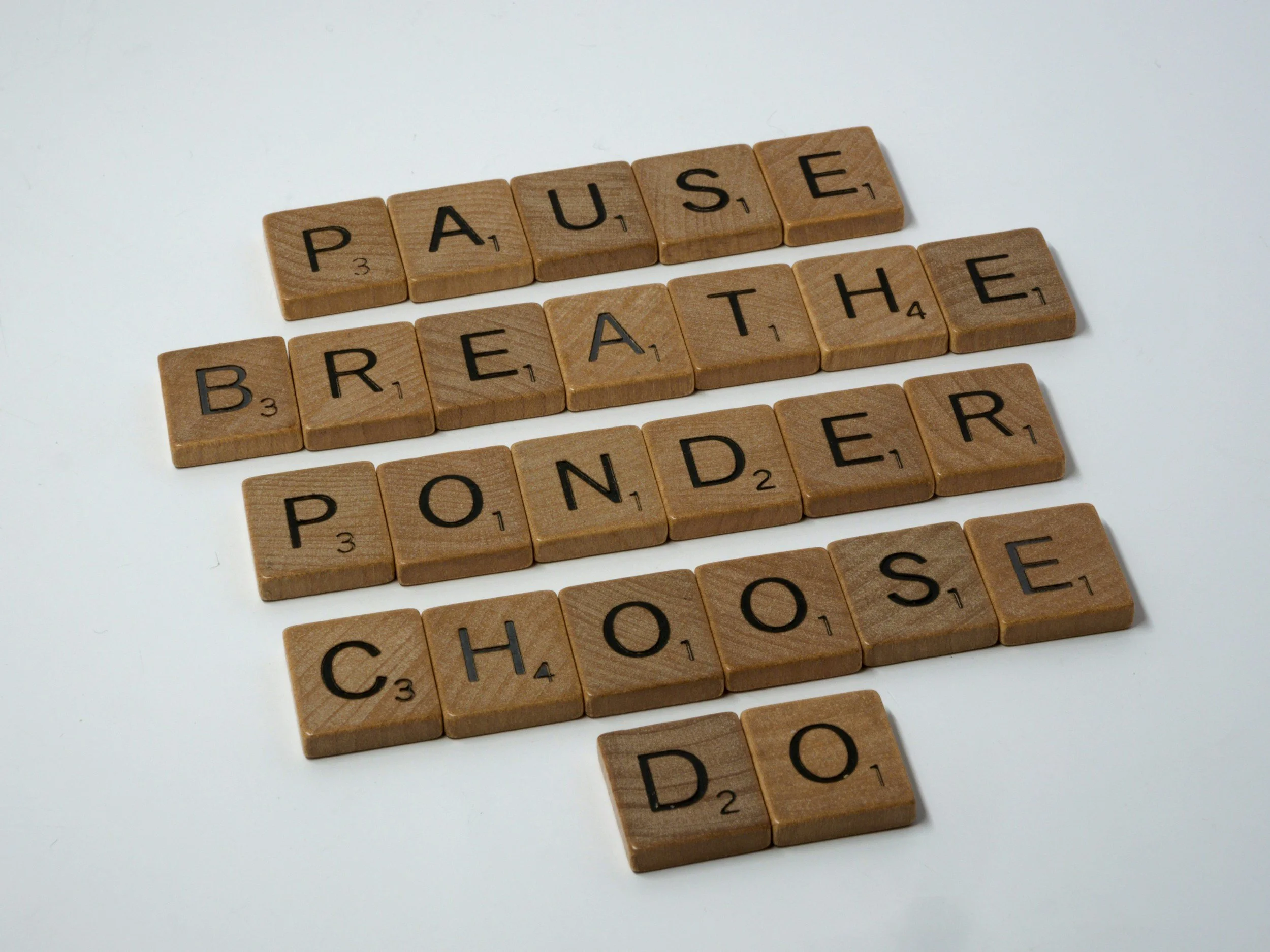
Agree ahead of time on a signal to pause:
🟡 “I need a reset.”
🟡 “I’m overwhelmed, let’s take five.”
A pause isn’t avoidance — it’s self-regulation in action.
It gives both people space and structure when emotions rise.
4. Break Conversations Into Micro-Steps

Instead of “We need to talk,” try:
Name the feeling (without blame)
Ask permission to continue
Share one need/observation at a time
This scaffolding slows the emotional charge and keeps the dialogue accessible.
5. Practice Reflection (Daily or Weekly)

Ask yourself:
What triggered my emotional reaction?
What did I need in that moment?
What pattern do I notice?
Reflection turns emotional reactions into data — not drama.
These tools are designed to be simple — not perfect.
And for many people with ADHD, the hardest part isn’t knowing what to do — it’s remembering, adapting, and using these strategies when emotions are already high.
Having structured support can turn helpful ideas into habits that actually stick.
Real Change Means Real Tools — Not Forceful Willpower
Feelings aren’t the problem. Unregulated responses are.
With ADHD, it’s not about “trying harder” — it’s about practical supports that align with your brain’s wiring.
Even small adjustments — like a pause signal, a three-word emotional name, or two minutes of focused breathing — build momentum over time.
Like building muscle, emotional regulation gets stronger with repeat practice and reliable structure.
Support is available if you don’t want to do this alone.
Your Next Step (That Actually Helps)
If emotional regulation feels like something you understand but struggle to apply in the moment, you’re not alone.
I’ve created a practical Emotional Regulation Toolkit with scripts, pause protocols, reflection prompts, and real-world examples to use today with family, partners, and teens.
It’s designed to support everyday conversations — not overwhelm you with more information. No pressure — just support, when you’re ready.
I’ve also created a Communication Cheat Sheet with simple, brain-friendly scripts to reduce conflict, improve understanding, and support calmer conversations.
How Coaching Supports Emotional Regulation (Especially with ADHD)
Understanding emotional regulation is a powerful first step.
Coaching helps turn that understanding into real-world change.
For adults and teens with ADHD, coaching supports emotional regulation by:
Creating structure and consistency when emotions feel unpredictable
Helping you notice patterns before reactions escalate
Practising tools in context — not just in theory
Offering co-regulation and accountability while new skills are forming
Adapting strategies when something works sometimes, but not always
Coaching isn’t about fixing emotions or controlling reactions.
It’s about building awareness, confidence, and practical support so regulation becomes more accessible — even in stressful moments.
Many people know what helps. Coaching helps with using it when it counts.
If this blog resonated with you, stay tuned for more monthly insights on relationships, ADHD, and real-world strategies that stick.